Overview 新宿 全体像
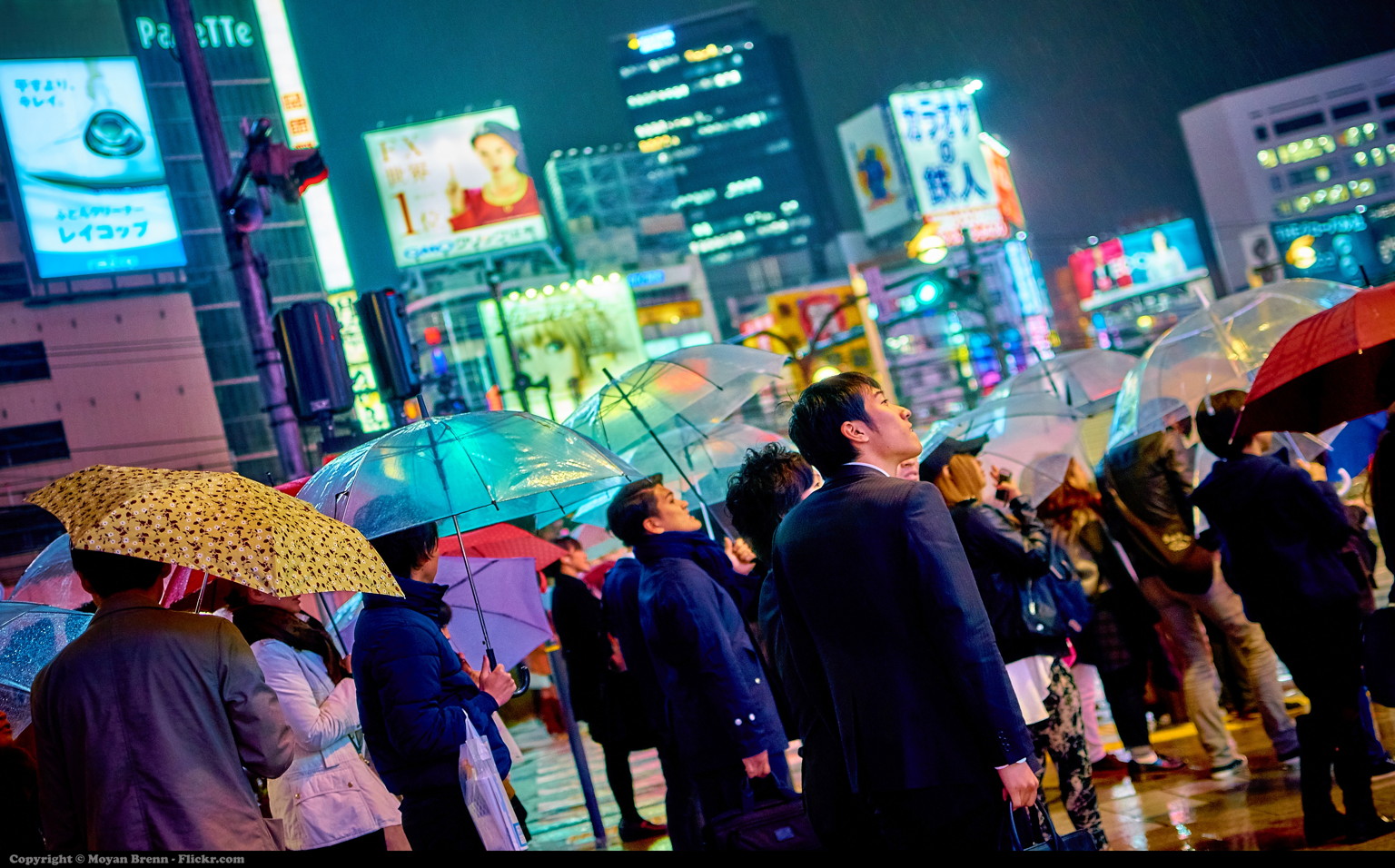
Shinjuku isn’t one nightlife district — it’s a whole operating system. Within 15 minutes on foot you can move from food-first backstreets, to ultra-tight alley bars, to high-intensity entertainment zones, to LGBTQ+ micro streets, to corporate after-work izakaya.
Peak hours: 19:00–01:00 (food/bars), 00:00–04:00 (clubbing/after-hours).
Deep Tokyo tip: If you only see neon main streets, you’re missing Shinjuku.
Shinjuku Sanchome 新宿三丁目
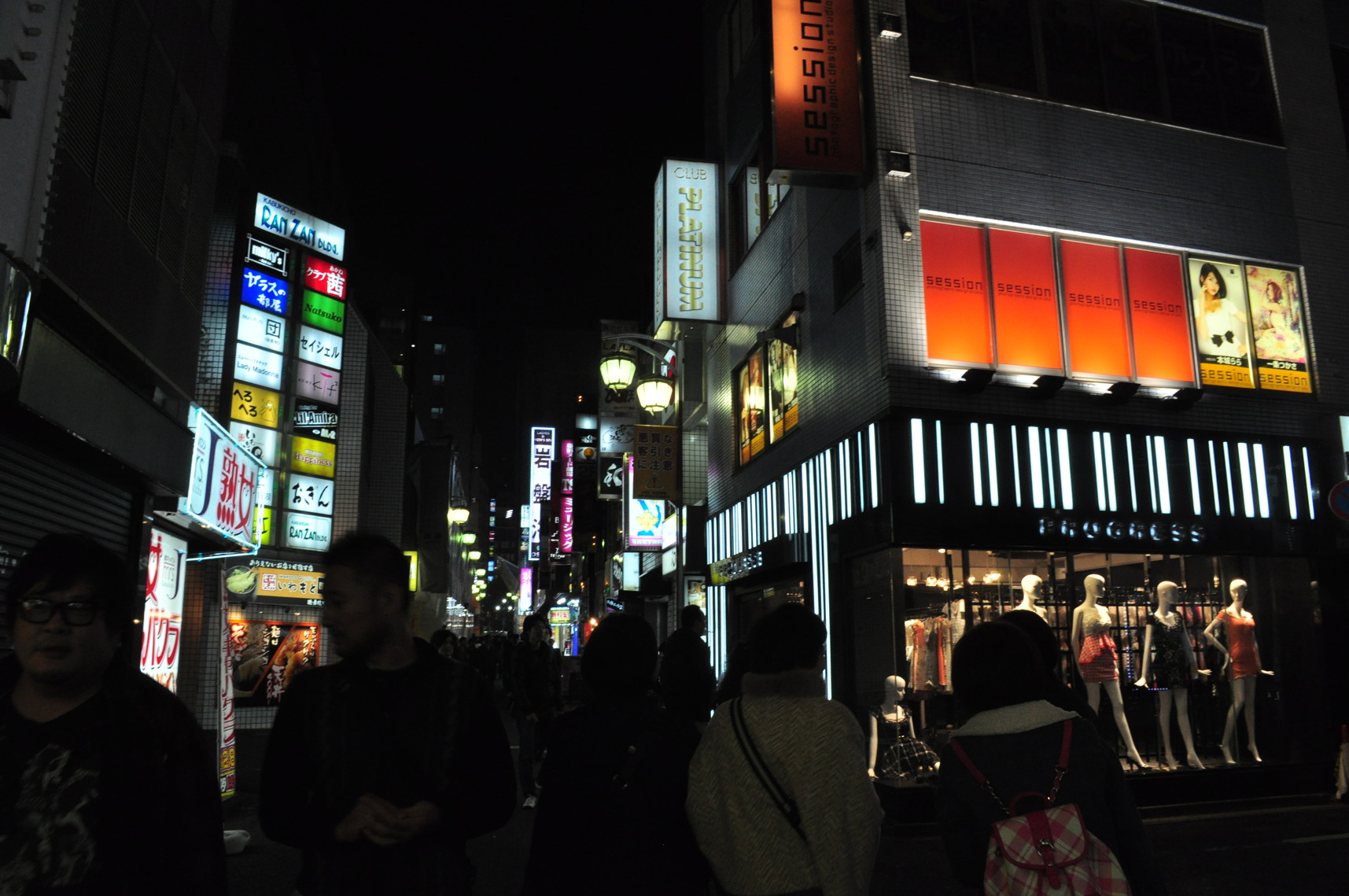
Shinjuku Sanchome is where locals go when they don’t want Kabukichō intensity. It’s dense, walkable, and full of restaurant-to-bar transitions. Nights here feel like a slow transformation: dinner → one drink → “let’s do one more place.”
Best for: Foreigners who want “deep Tokyo” without nightlife stress.
How to enter: Choose a place that looks busy-but-not-chaotic. If it’s full, move on fast.
Omoide Yokochō 思い出横丁
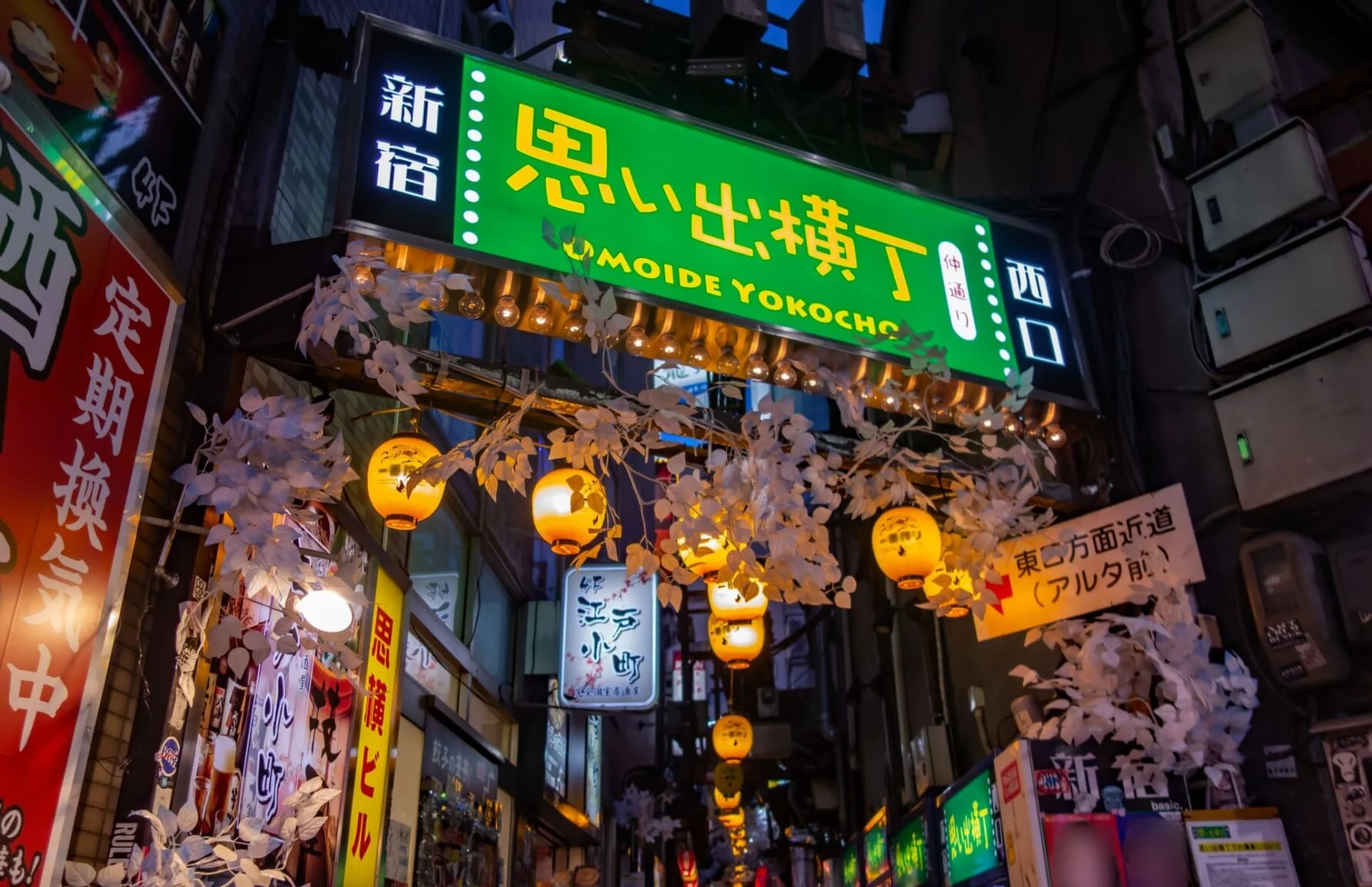
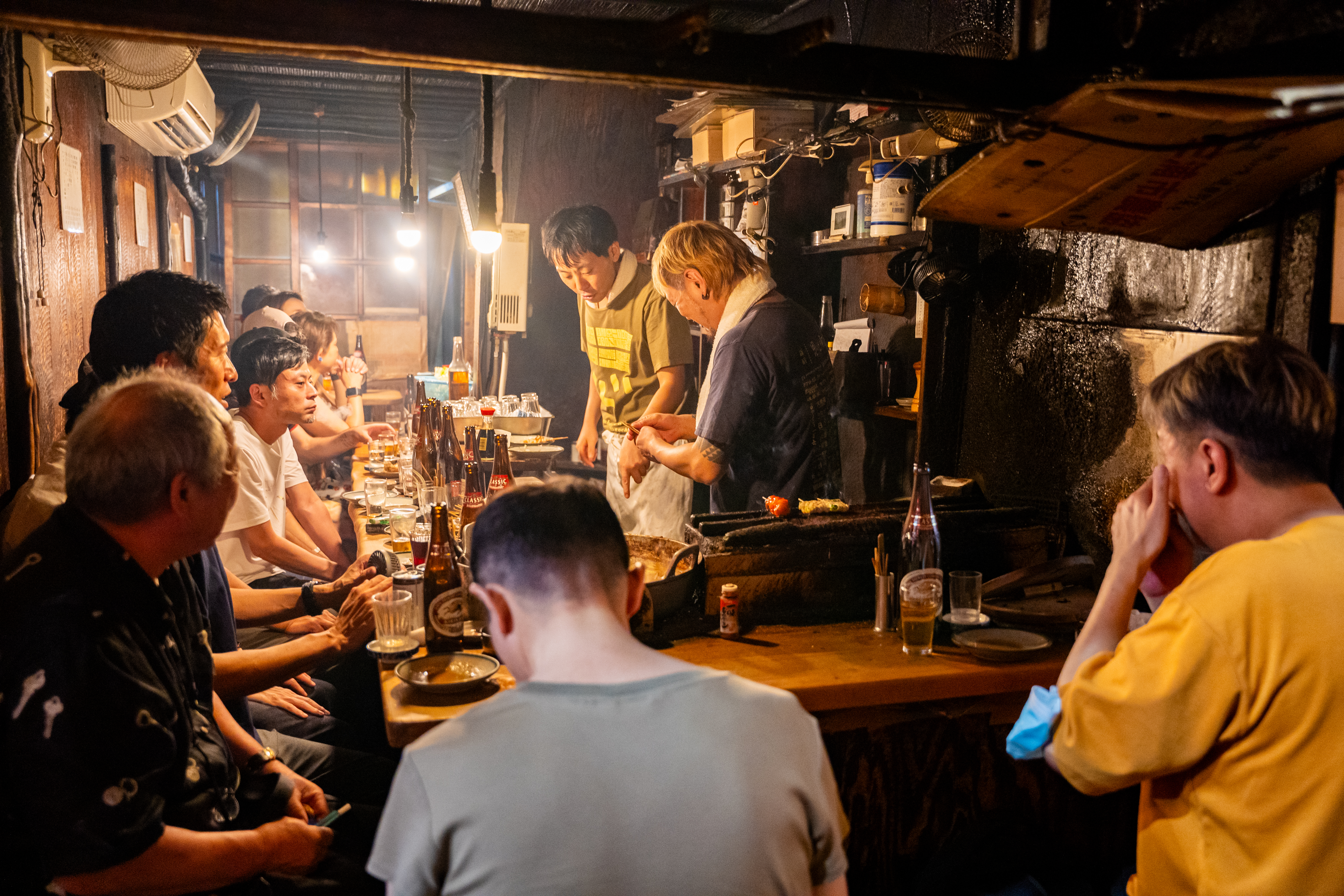
Omoide Yokochō is the classic “tight alley with smoke and lanterns” experience — but the real value is cultural: post-war-style micro dining still functioning at full speed. It’s loud, crowded, and intimate by design.
Timing: Early is easier. Late is more atmospheric but more crowded.
How to do it: Go in pairs or small groups. Order quickly, eat, drink, rotate.
Golden Gai ゴールデン街
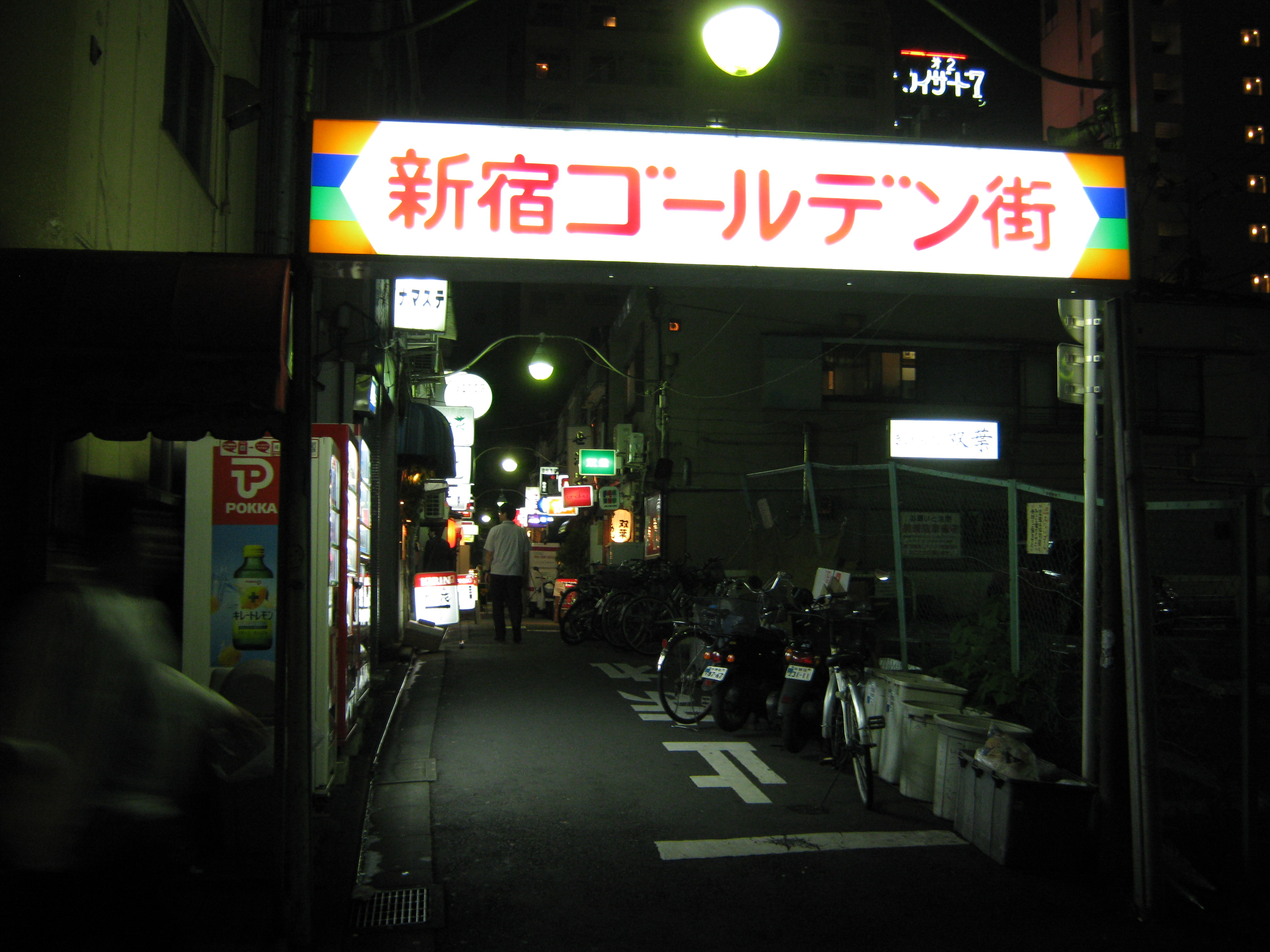
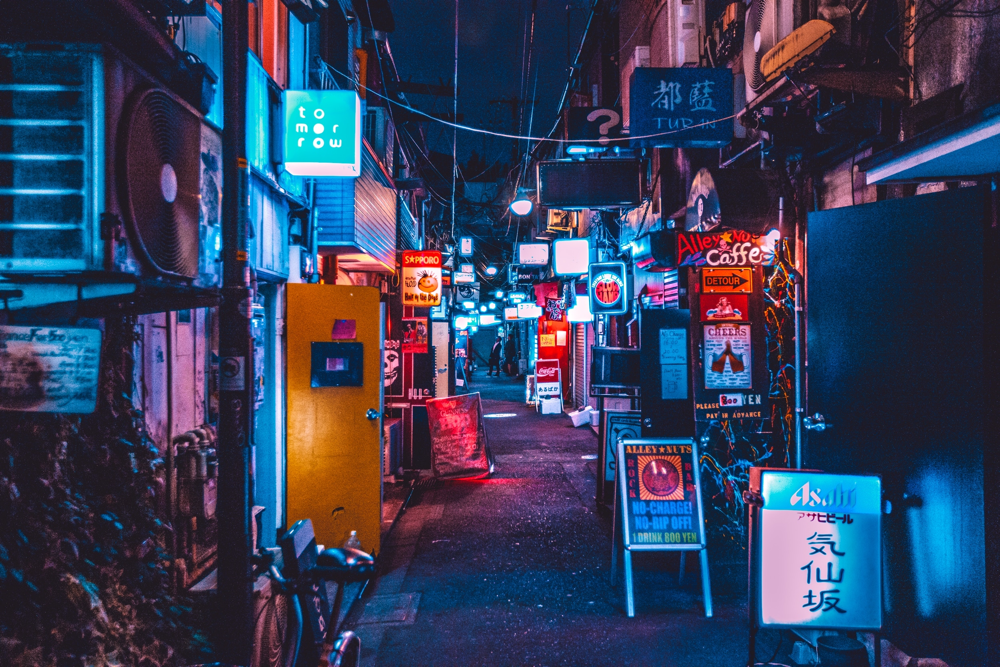
Golden Gai is not a bar crawl — it’s a place where each bar is a tiny private world. Many bars seat 5–8 people. The owner, regulars, and atmosphere matter more than the drink list. This is one of Tokyo’s best “stranger conversation” zones.
How to enter: Look for signs that welcome visitors. If unsure, ask politely before stepping in.
How long to stay: 45–90 minutes is normal. Staying forever can clog the room.
Kabukichō 歌舞伎町
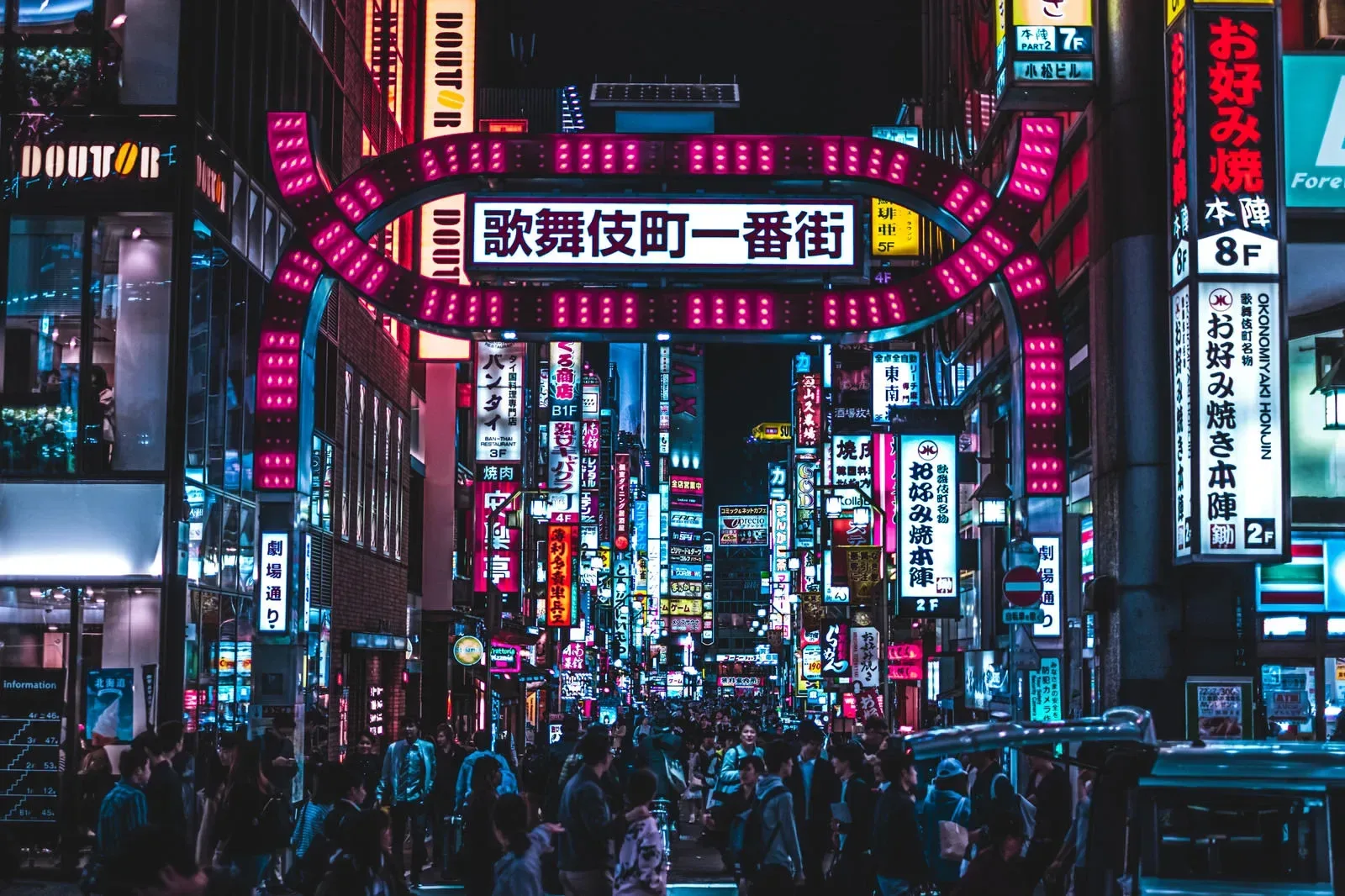
Kabukichō is the high-intensity center of Shinjuku nightlife: neon, crowds, clubs, late-night food, and adult entertainment. It’s thrilling — and it’s also where pricing traps and aggressive promotion are most likely.
Not ideal for: People who dislike street solicitors or unclear pricing.
Safety move: Choose places you walk into yourself. Avoid anyone trying to “guide” you.
Ni-chōme 新宿二丁目
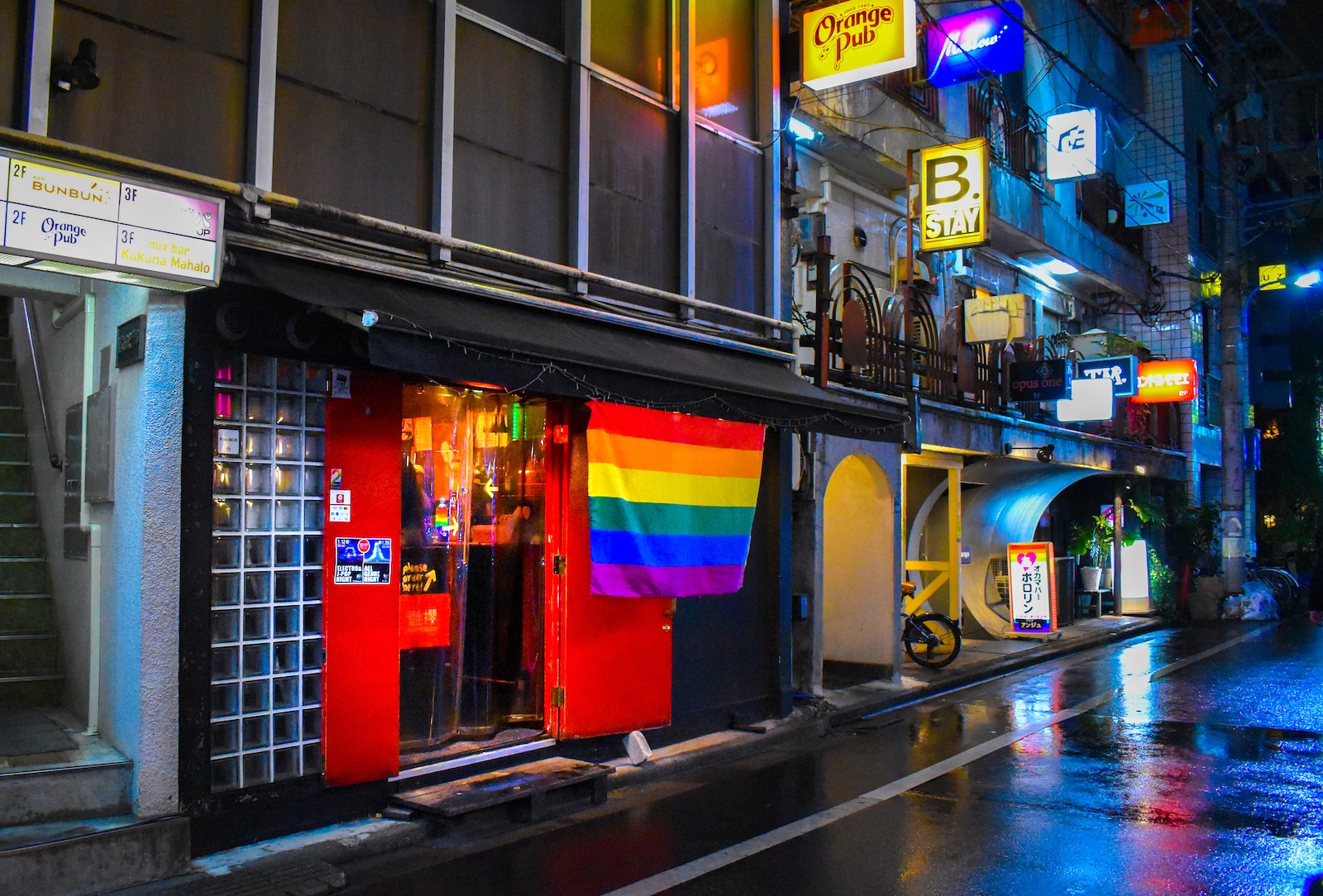
Ni-chōme is Tokyo’s most famous LGBTQ+ nightlife area — not a single street, but a dense micro network of small bars, each with its own vibe, crowd, and house rules. Many places are tiny and community-oriented.
How to do it: Start early, go with an open mind, and accept that not every bar is “for everyone.”
Practical: Some venues have membership/regulars focus; if turned away, don’t take it personally.
West Exit (Nishi-Shinjuku) 新宿西口・西新宿
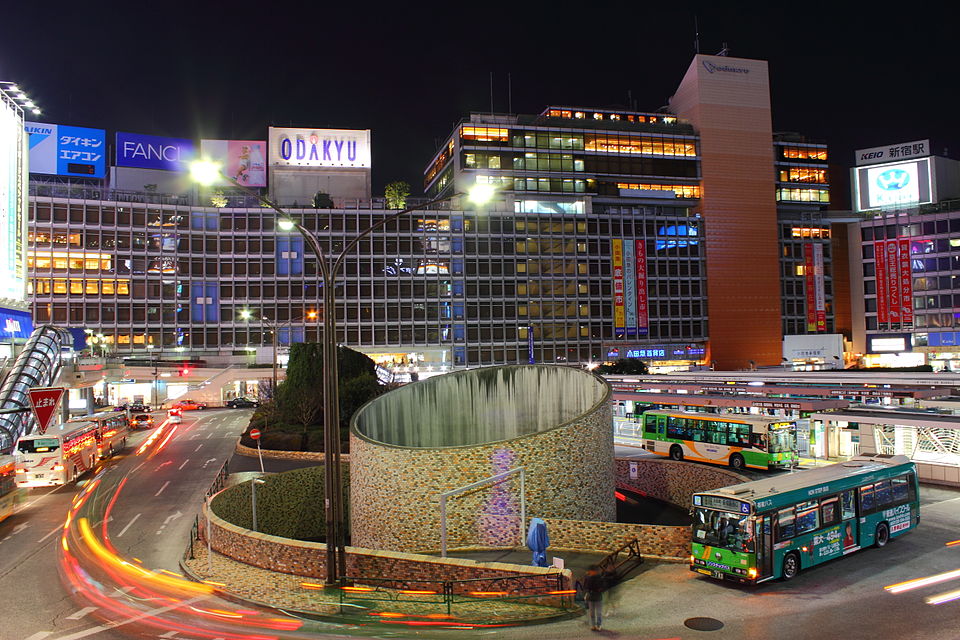
The West Exit side is Shinjuku’s “work-life exhale”: izakaya clusters, underpass-style restaurant strips, and groups unwinding after the office. This area peaks earlier than Kabukichō and feels more routine than spectacle.
Peak hours: 18:00–23:00 (earlier than the party zones).
How to fit in: Keep it simple: beer/highball + a couple of shareable dishes.
Shin-Ōkubo (Koreatown) 新大久保
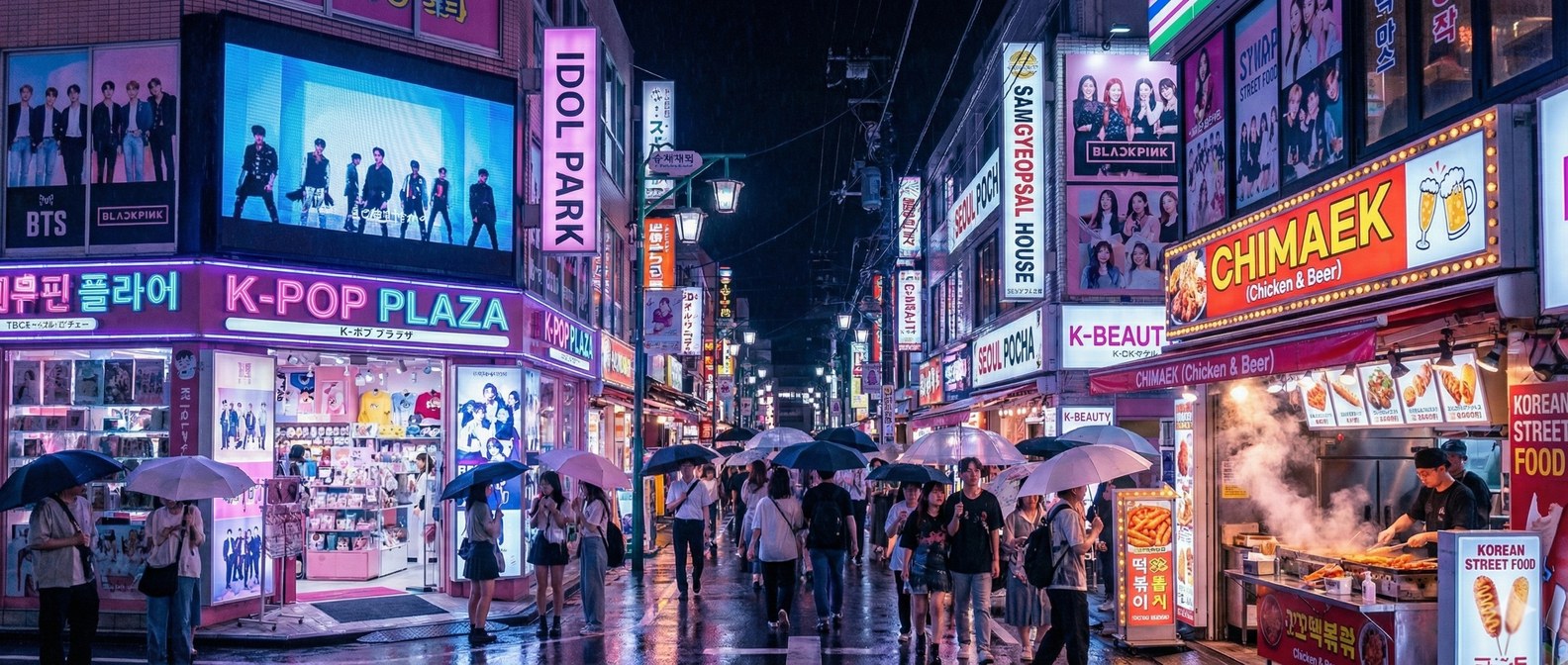
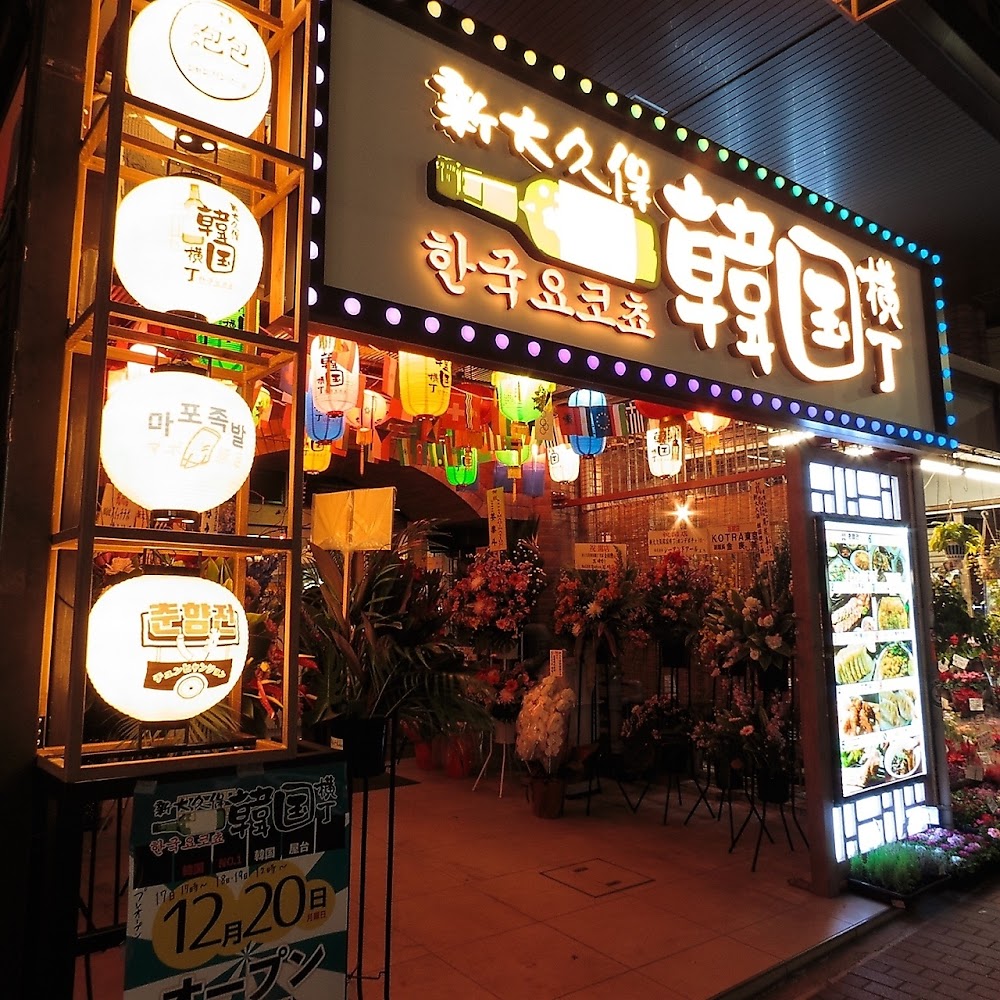
Shin-Ōkubo sits right next to the Shinjuku core but feels like a different city: Korean food, Korean bars, pop culture energy, and late-night eating. This is a great “second half of the night” zone if you want food + vibe without Kabukichō pressure.
How to do it: Treat it as food-first, then drinks. Many places are designed for sharing.
Good pairing: Sanchome dinner → Golden Gai bar → Shin-Ōkubo late-night food.
How to Do a Shinjuku Night 新宿の回り方
Shinjuku is best when you change “scale”: dinner streets → alley bar → big neon → late-night reset.
Shinjuku nights work best when you move through zones in a deliberate order. Here are three reliable “flows” that help foreigners experience the deep side without confusion.
Flow A: Deep Tokyo (Food → Alley → Conversation)
Then: Omoide Yokochō (one alley stop)
Finish: Golden Gai (one bar, slow pace)
Why it works: You earn the deep atmosphere by arriving grounded and calm.
Flow B: Neon + Clubbing (Big City Night)
Then: Kabukichō neon walk + late snack
Finish: Clubbing / late-night venues (after midnight)
Why it works: Earlier “routine Tokyo” makes the party zone feel intentional, not overwhelming.
Flow C: LGBTQ+ Bar Night
Then: 2–3 small bars (don’t rush; follow vibe)
Finish: Late-night food back toward Sanchome
Why it works: Ni-chōme is community-first — timing and respect matter more than “hopping fast.”
• Expect an entrance fee like お通し (otoshi) / チャージ (chaaji) in seated places; standing places sometimes don't have this. Check the signs.
• Avoid street solicitors in Kabukichō. Choose venues you enter by choice, not pressure.
• In tiny bars, keep voices low and phones away. Conversation is the “main event.”