Overview: what Chiba nightlife feels like
Chiba Prefecture nightlife is built around station towns and commuter flow. Most nights are food-first: izakaya, yakitori, standing bars, and “regulars” places. The vibe is typically more direct and local than Tokyo, with fewer tourist-oriented venues.
Not about: Tokyo-scale clubbing districts (though there are pockets and event nights).
Peak hours: 18:00–22:30 (many areas start early and finish earlier than central Tokyo).
Chiba City (Chiba / Chūō / Sakaechō) 千葉・中央・栄町
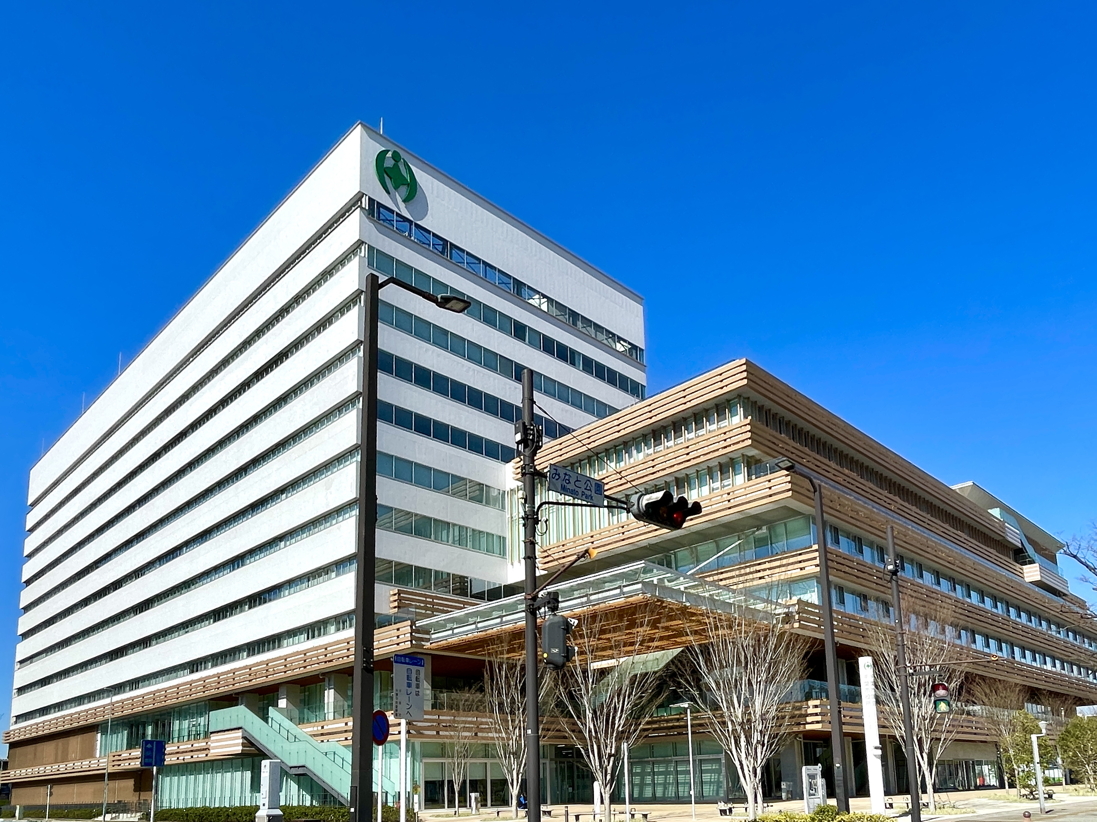
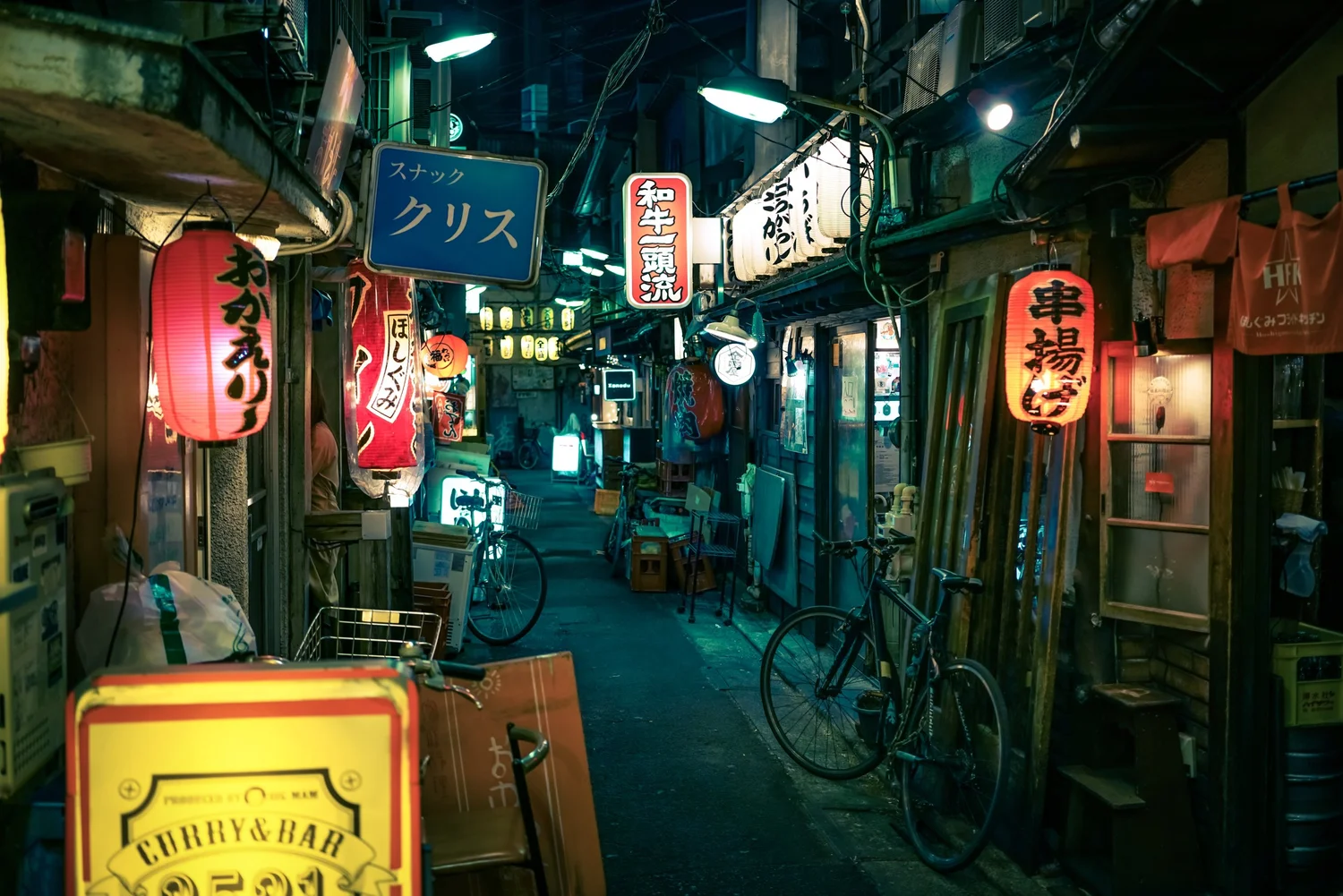
Chiba City is the prefecture’s main nightlife anchor. Around Chiba and Chūō-Chiba you’ll find dense izakaya streets, casual bars, karaoke, and plenty of late-night food. Sakaechō adds a more “adult” nightlife layer and gritty atmosphere.
• Lots of izakaya and chain + independent mix
• Karaoke everywhere
• A separate “adult/night” zone (more snack bars and hostess venues)
Funabashi 船橋
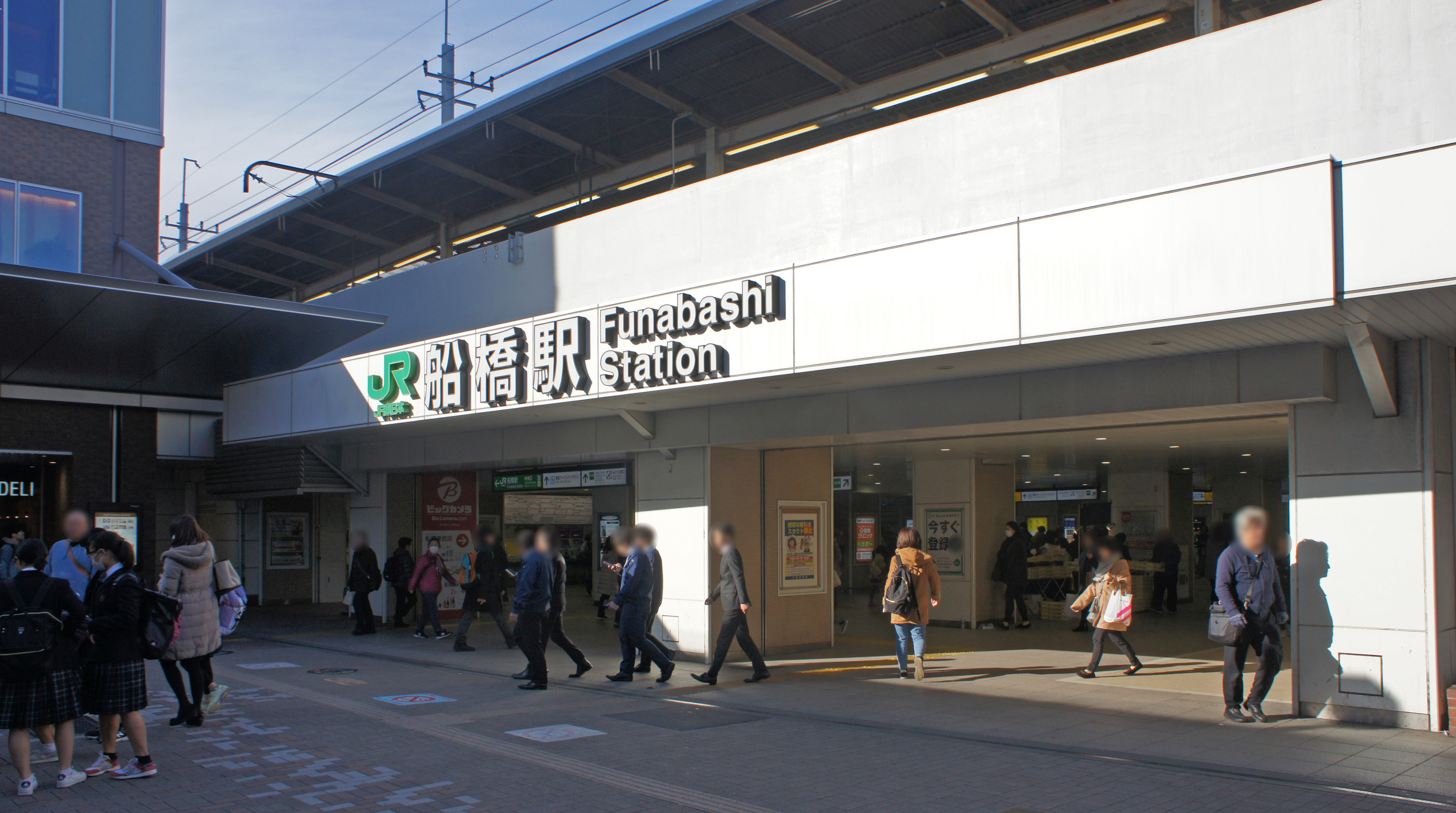
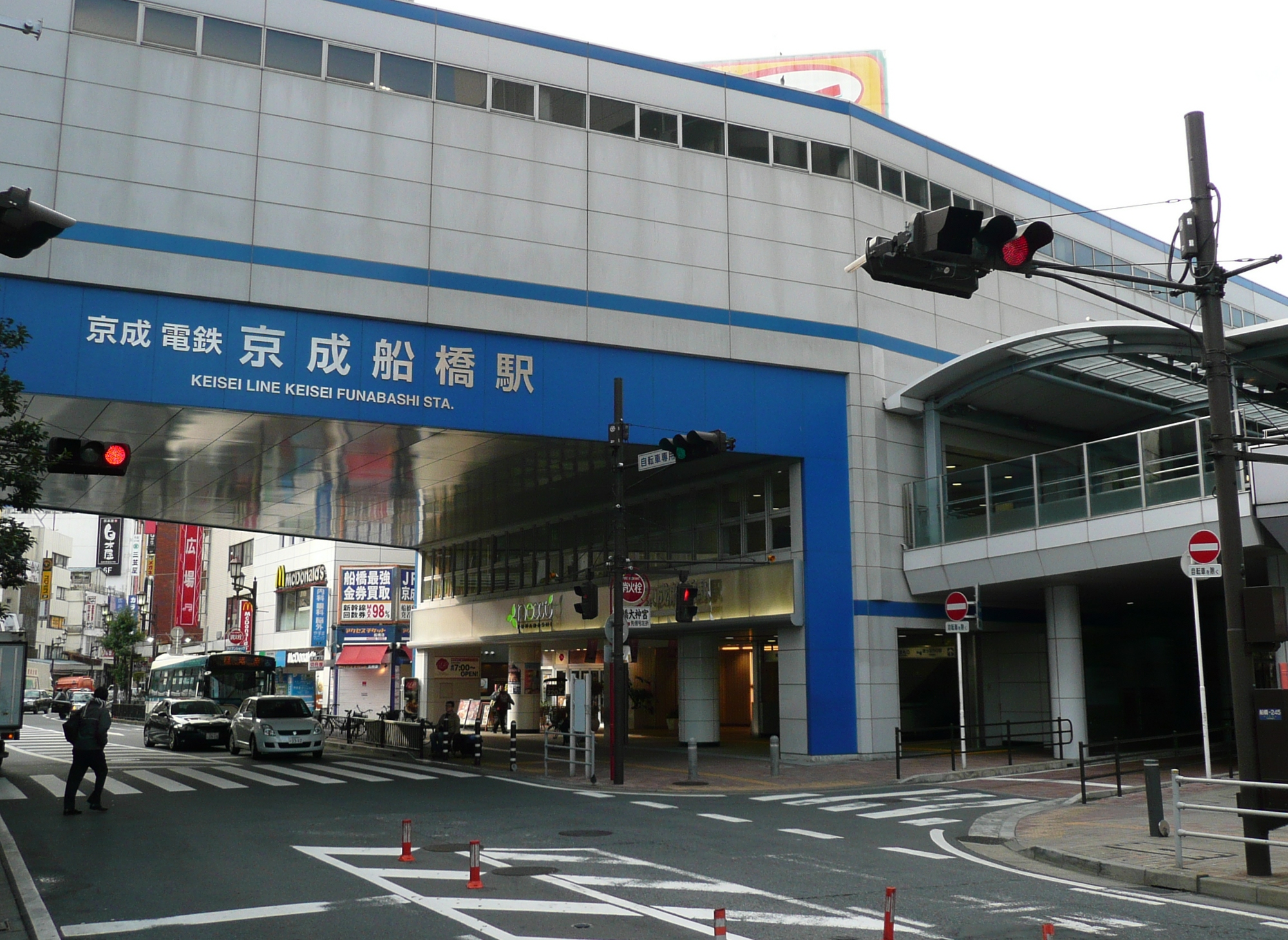
Funabashi is a strong “near-Tokyo” nightlife town with high density around the station. You’ll find izakaya streets, standing bars, casual pubs, karaoke, and late-night food. It’s lively without feeling like a tourist district.
Atmosphere: Busy, social, commuter-town loud.
Good rhythm: 2–3 stops is ideal here.
Kashiwa 柏
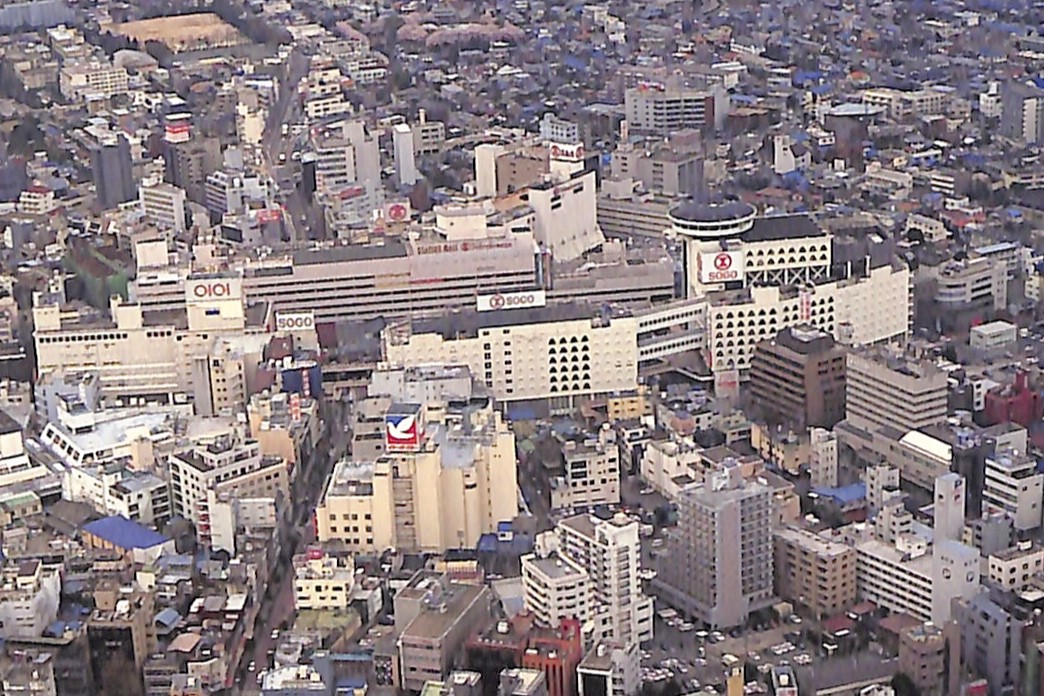
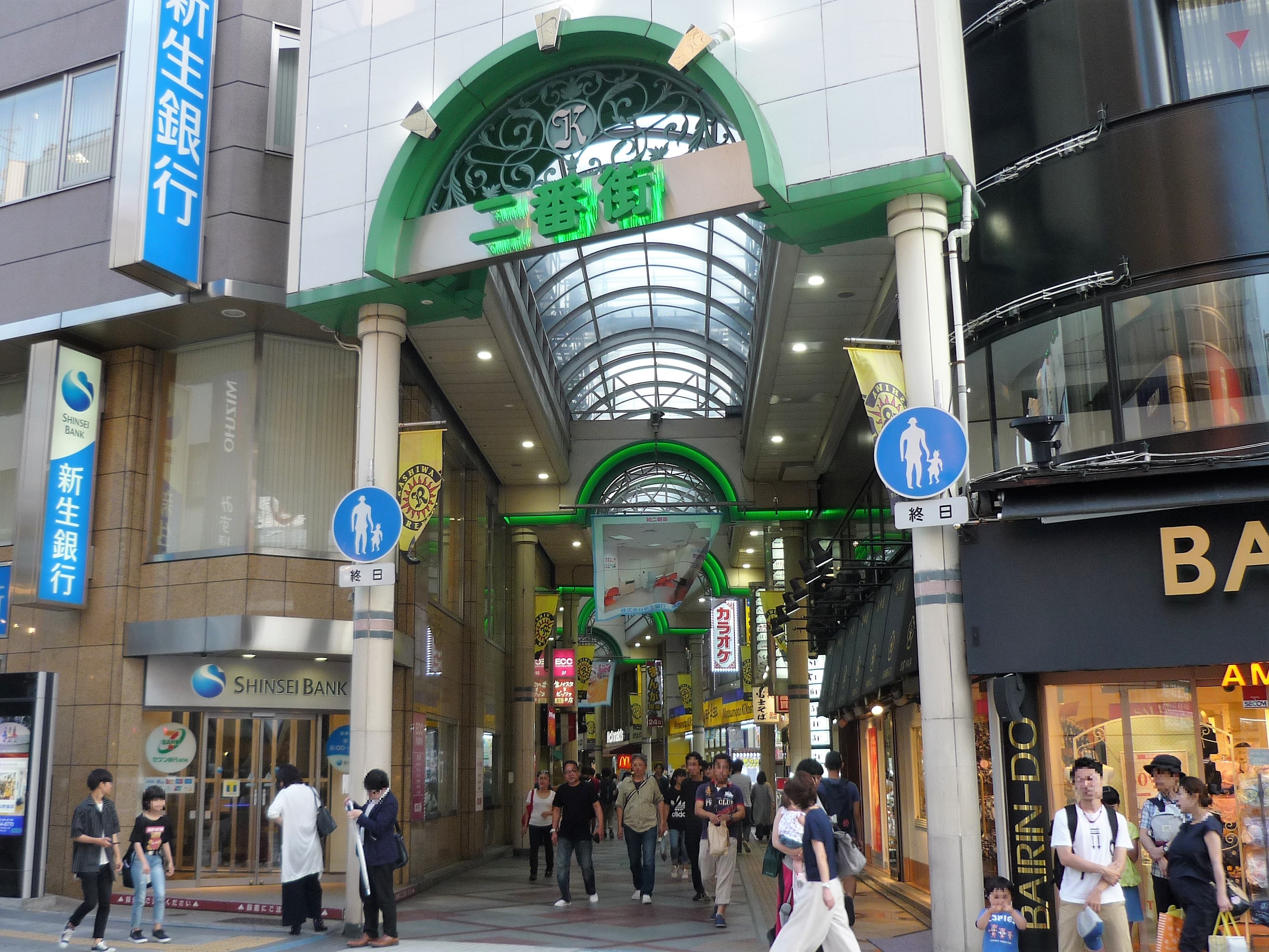
Kashiwa is one of the strongest nightlife hubs in the wider Tokyo commuter belt. It has a younger feel than Chiba City, and the station area supports real wandering: bars, izakaya, karaoke, and plenty of late-night food.
What to expect: Crowds, energy, and a “night town” feel rather than a quiet commuter vibe.
Tsudanuma / Narashino 津田沼・習志野
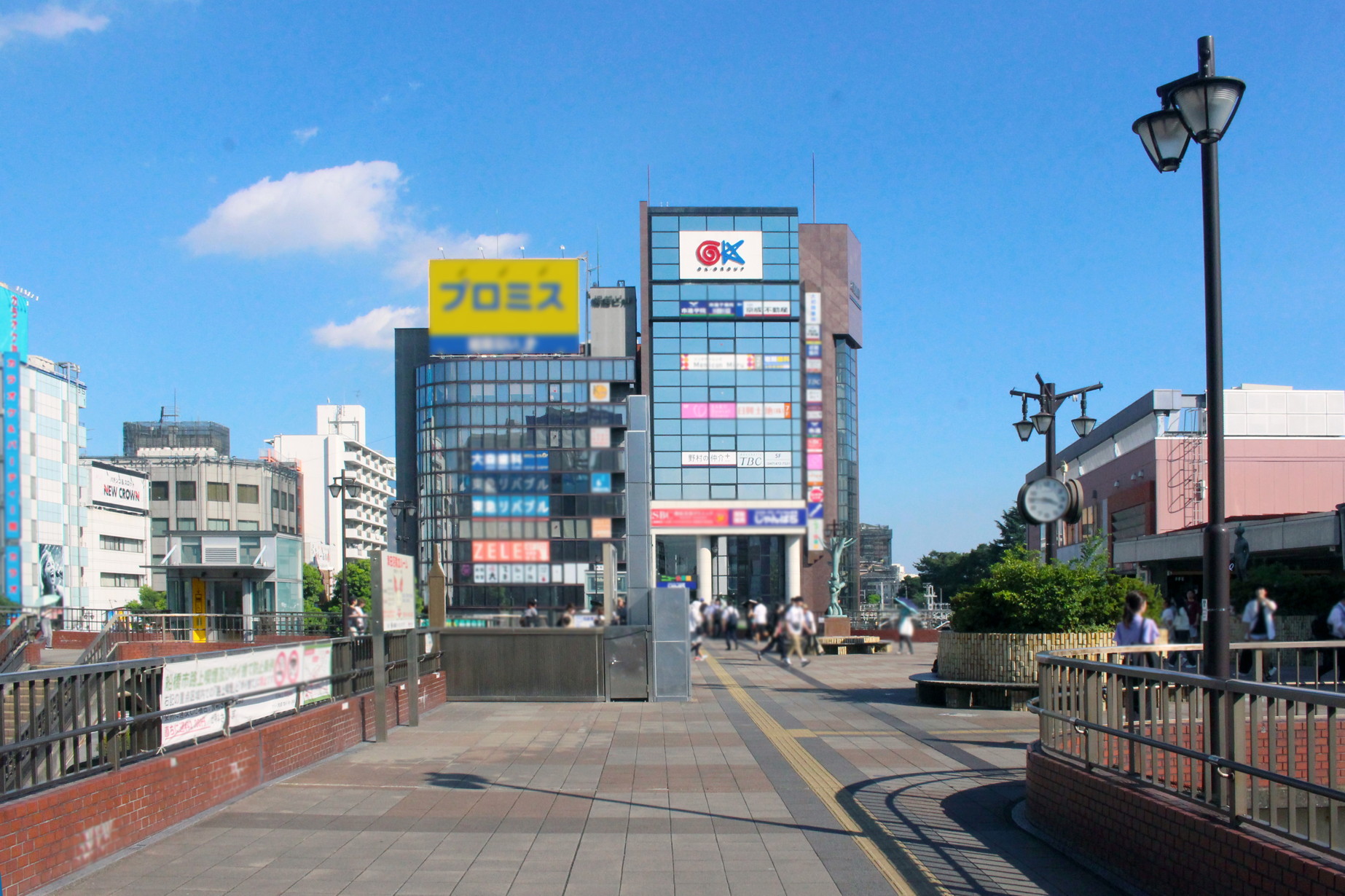
Tsudanuma is a classic commuter-night district: steady izakaya, casual bars, karaoke, and late food near the station. It’s not a “destination,” but it’s very dependable.
How to do it: Eat first, then one more place—two stops often feels perfect.
Matsudo 松戸
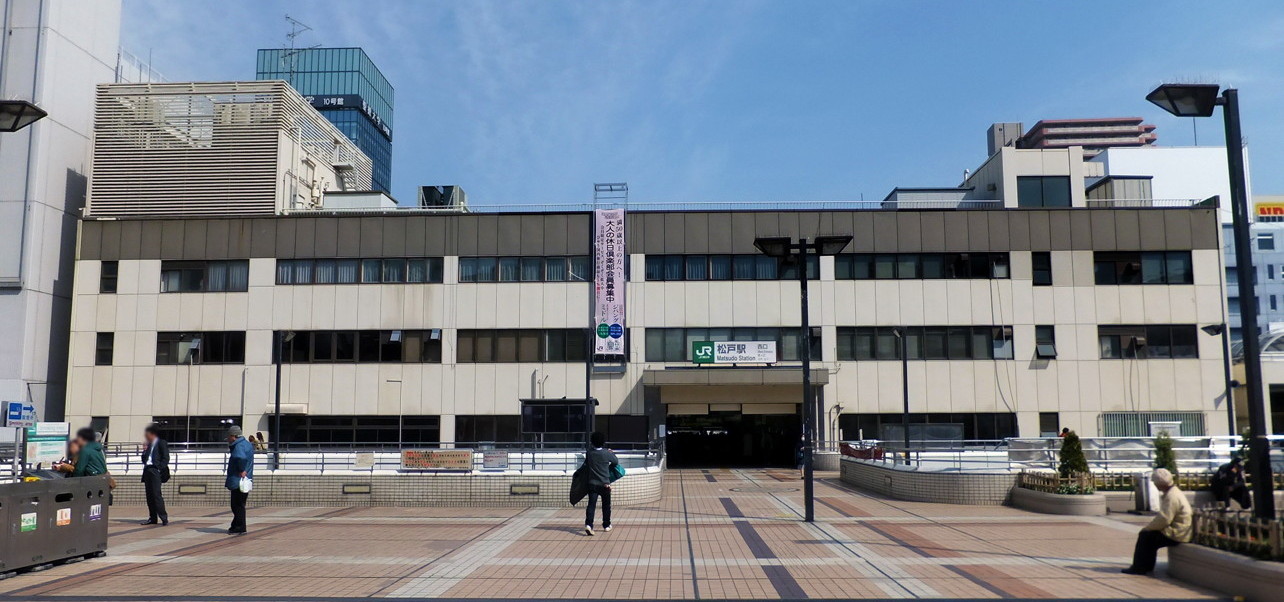
Matsudo has a steady nightlife scene near the station with izakaya, small bars, and snack bars. It’s less polished than some Chiba areas, which is exactly why it feels authentic.
Vibe: Working-city, down-to-earth, not tourist-facing.
Ichikawa / Motoyawata 市川・本八幡
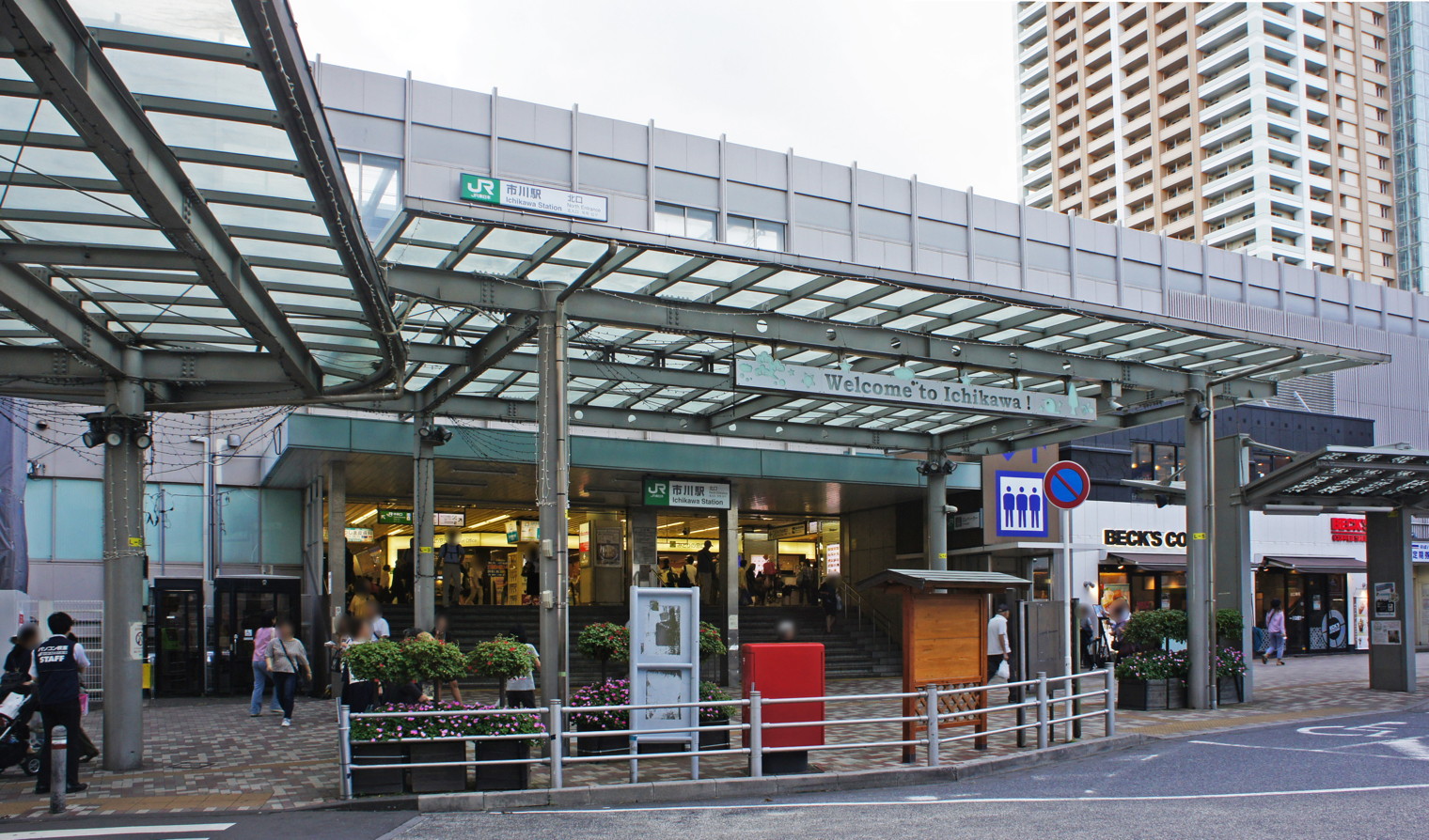
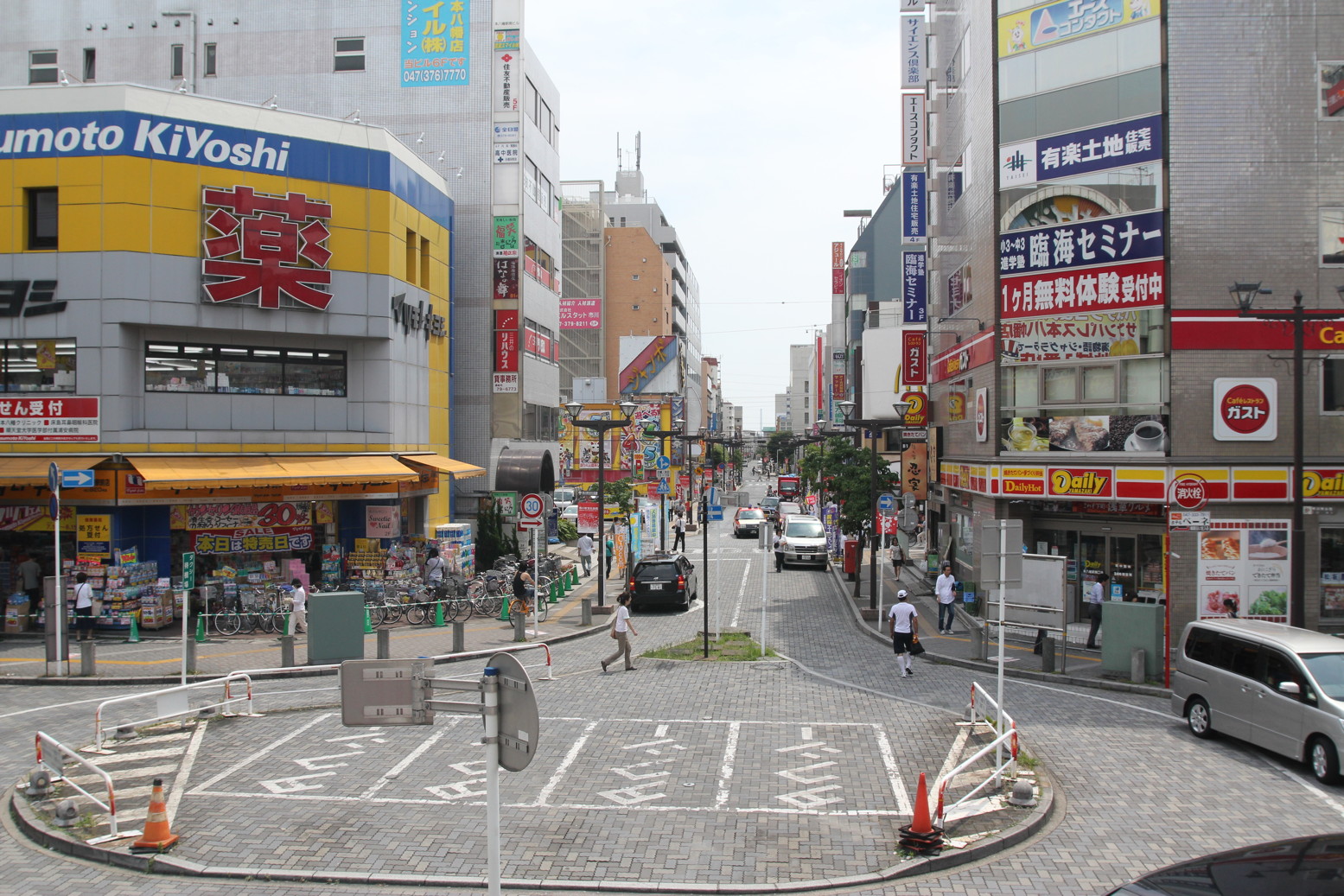
Ichikawa and Motoyawata are excellent for low-key nights near Tokyo’s edge. Think relaxed izakaya, small bars, and practical late-night food without big-district chaos.
How to do it: Choose a place with a visible menu and settle in.
Kaihin-Makuhari (event nights) 海浜幕張
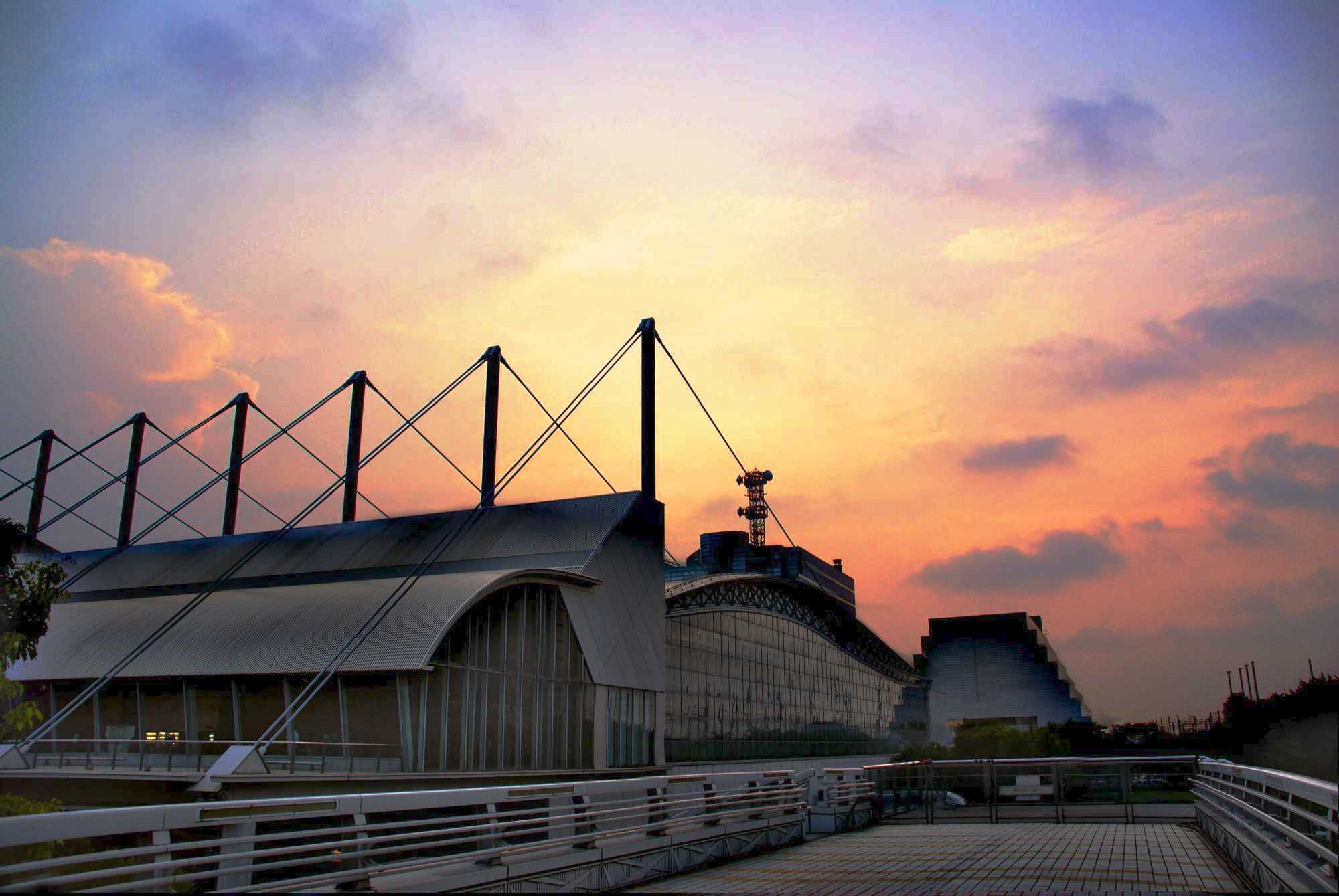
Kaihin-Makuhari is best understood as an event-night district. After concerts, exhibitions, or games, restaurants and bars fill quickly. On normal nights it’s calm and spread out, more “evening dining” than “nightlife.”
How to do it: Reserve if possible on event nights—places can sell out fast.
Urayasu / Maihama 浦安・舞浜
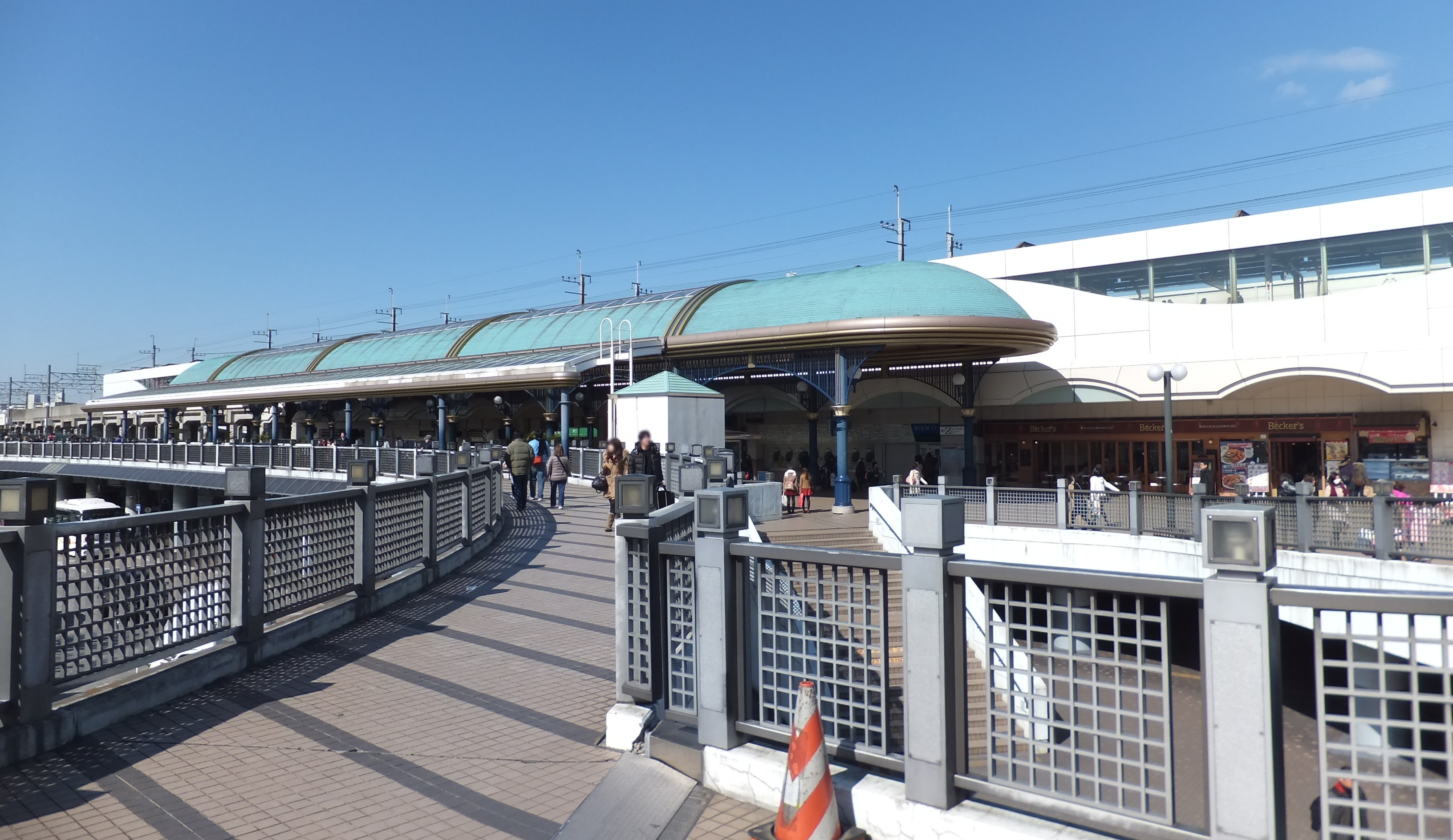
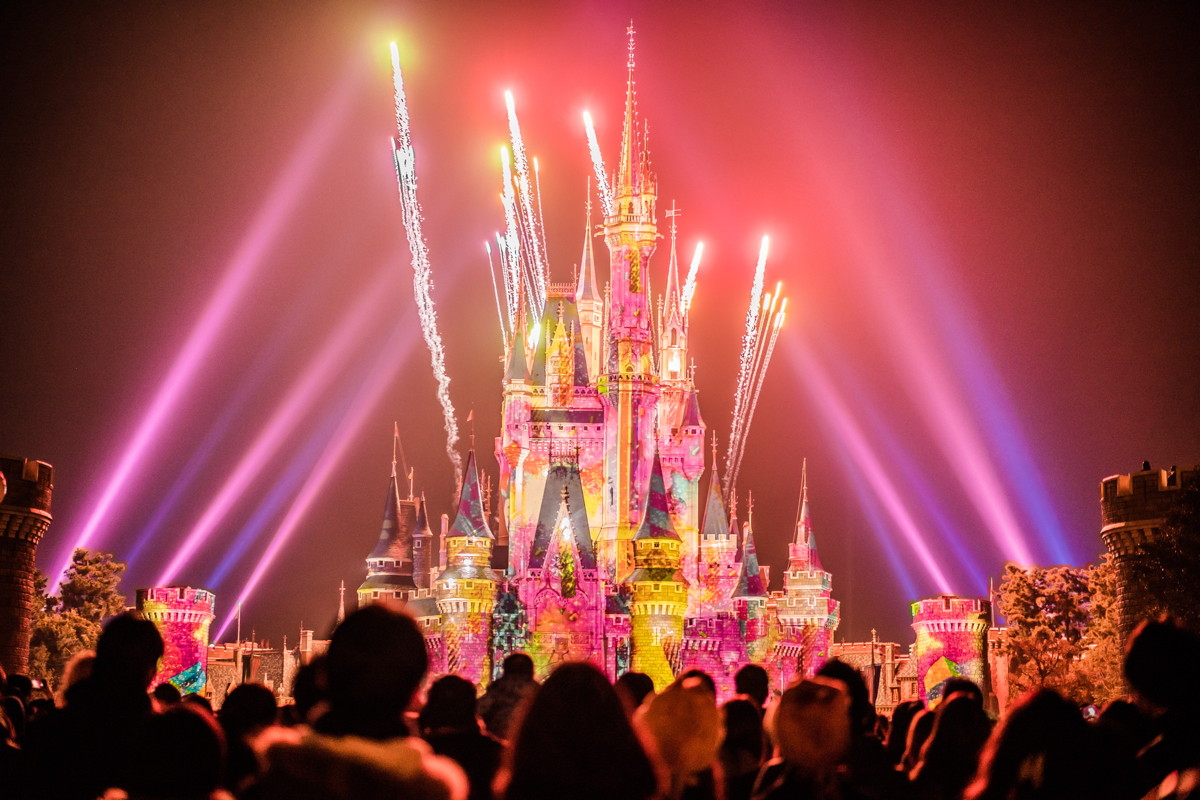
Urayasu/Maihama nightlife is primarily hotel bars, resort dining, and late evening convenience. It’s not “deep,” but it’s relevant because many foreign travelers stay here.
How to do it: One good hotel bar + early sleep is the intended lifestyle.
Narita 成田
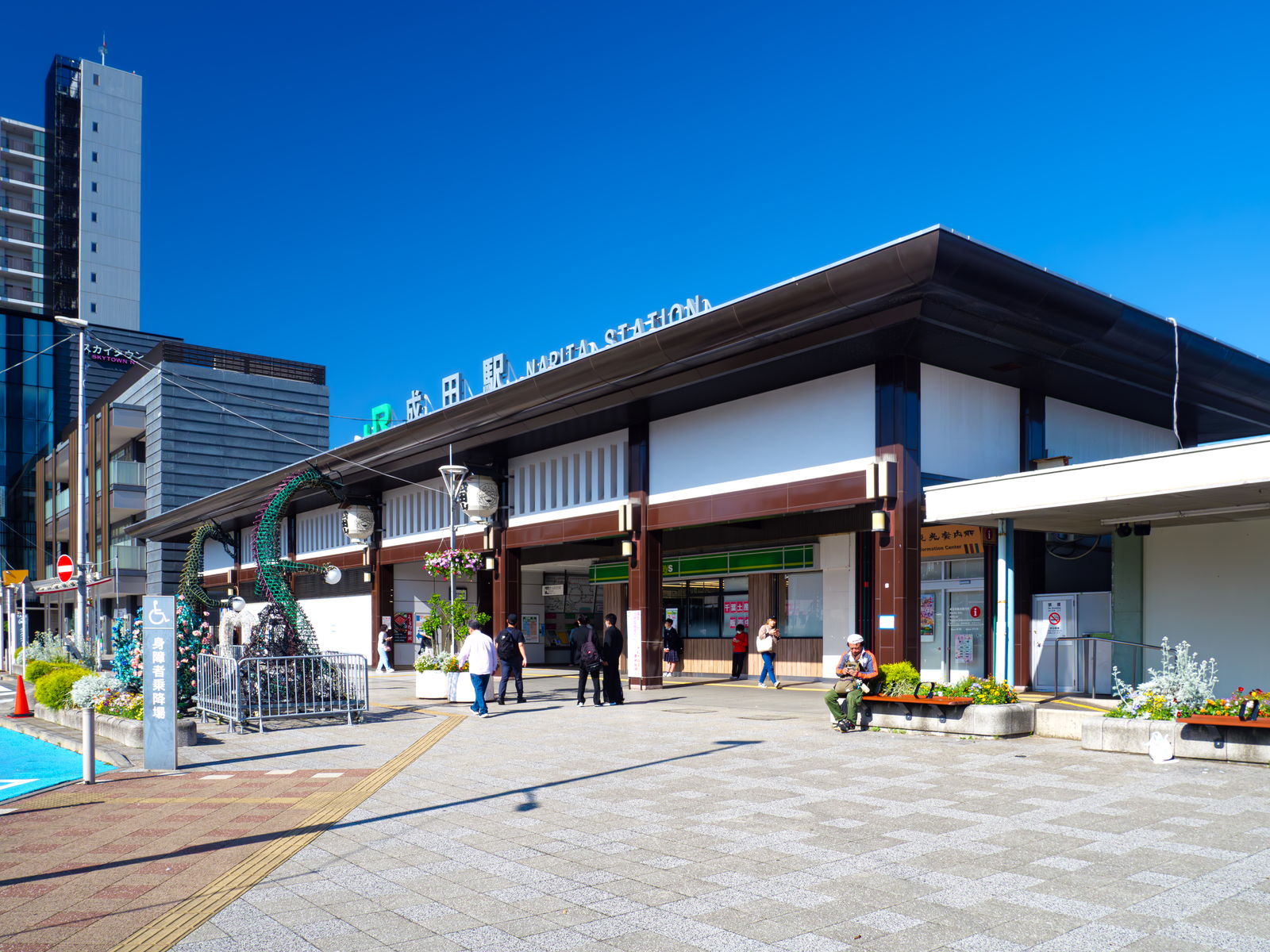
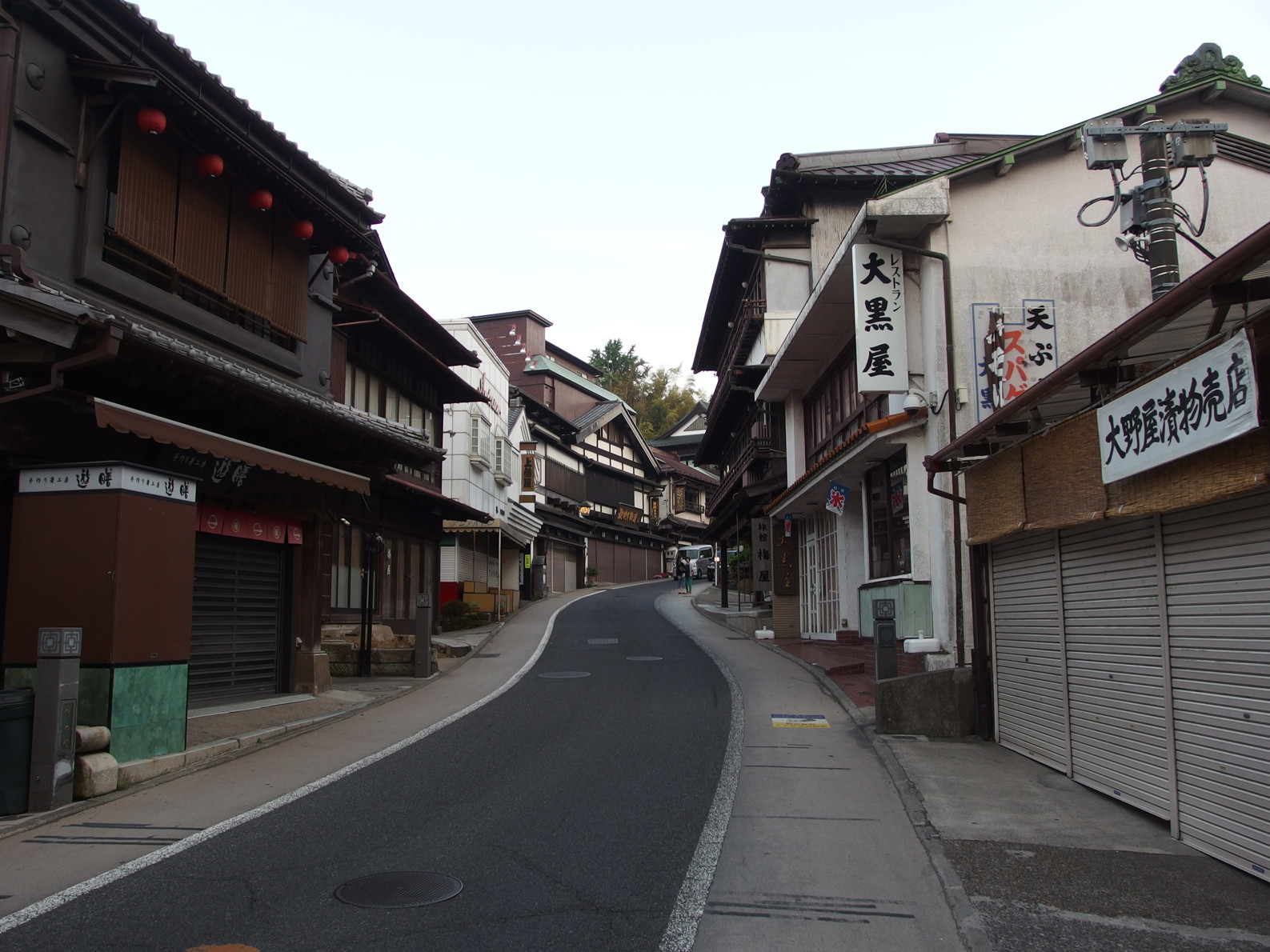
Narita is relevant for layovers and airport hotels. Nightlife is limited but pleasant: restaurants near the station/temple approach and hotel bars.
Reality: Don’t expect late bar streets—plan an early finish.
Kisarazu 木更津
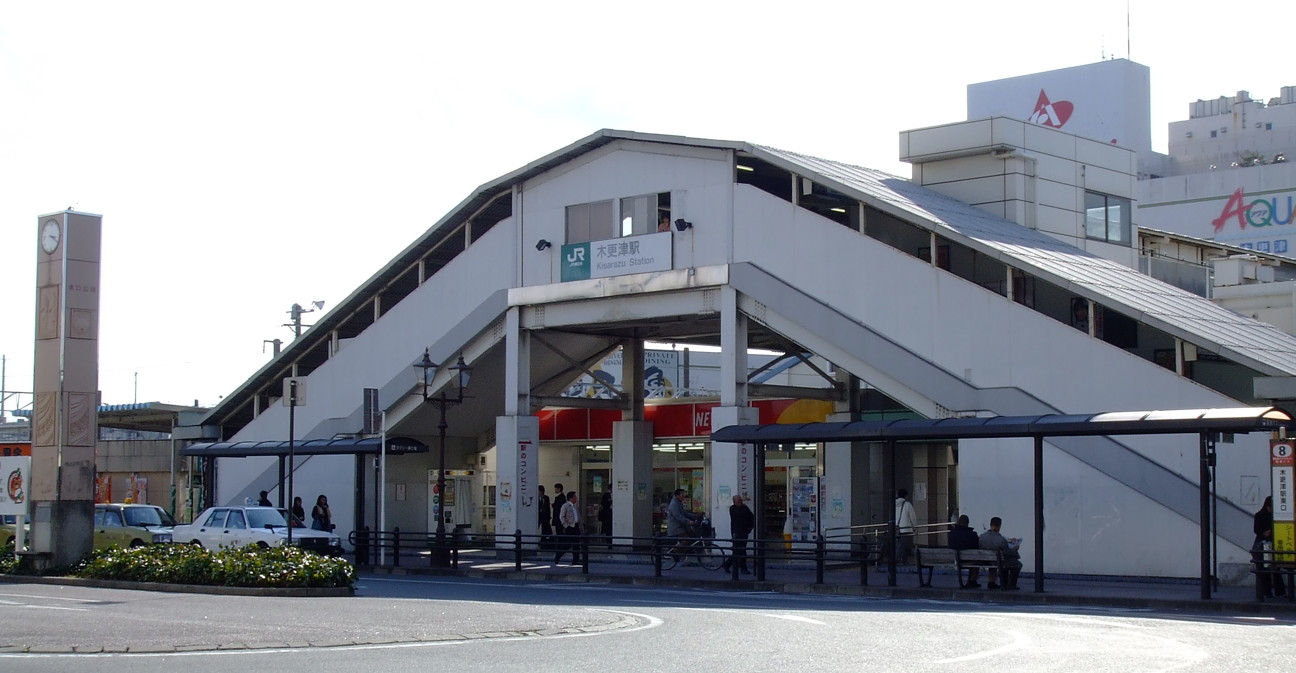
Kisarazu has local izakaya and bars, but it’s mainly relevant if you’re staying nearby for work, road trips, or specific plans. Not a default nightlife destination.
How to do Chiba (charges, etiquette, pacing)
• お通し (otoshi): normal at seated izakaya (small appetizer + fee).
• 席料 (seki-ryō): occasional seating charge at bars/wine bars.
• Snack bars may include set fees, karaoke fees, or drink minimums — confirm first.
チャージありますか? (Is there a charge?)
だいたいいくらですか? (About how much will it be?)
• Food first, then drinks (izakaya are not “bar-only”).
• Two or three stops is normal; don’t force a Tokyo-style crawl.
• If a place is tiny and packed, do one drink and rotate—good etiquette.